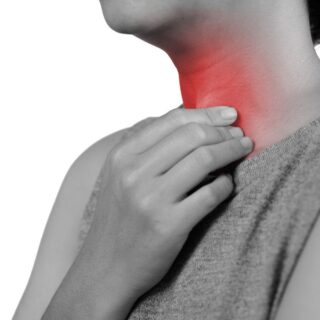
През пролетта, когато природата се събужда от зимен сън, и слънцето всеки ден ни дава повече топлина, много от нас, вместо да се радват на пробуждането на природата, чувстват определени неудобства. Това е повишена раздразнителност, хронична умора и лоши настроения, както и прекомерна чувствителност към различни заболявания, особено настинки. Всичко това се обяснява просто: в нашия организъм витамините са недостатъчни, те са били изгубени по време на зимния период. И това явление има определено име, а именно – пролетна авитаминоза. Авитаминоза – това е заболяване, причинено от дефицит на някои витамини в организма.
Ако подходим към термина от научна гледна точка, следва да се отбележи, че авитаминоза е почти пълна липса на витамини или цялата витаминна група в организма на човека. Това е изключително рядко, особено в развитите страни. А обикновено името „пролетна авитаминоза“ означава, че има дефицит на витамини, а не пълното им отсъствие. Защитните сили на организма през пролетта отслабват и не дават възможност да се справят с различните заболявания, които при хиповитаминозата се лекуват много по-трудно и може да преминат в хронична форма.
Факт е, че в периода на т. нар. биологична пролет (а тя продължава от април до юни включително) в организма на човека, се развиват нарушения съгласувани с биоритъма на различните органи и системи. По това време, амплитудата на биоритъма на повечето функции на тялото значително се увеличават. Всичко това се случва, защото през пролетта рязко ускорява ход външният астрономически часовник, увеличава се продължителността на дневната светлина, слънчевата активност, както и напрежението на магнитното поле на Земята.
В резултат на това се повишава възбудимостта на нервната система на човека, увеличава се секрецията на хормони на жлезите с вътрешна секреция и стомашно-чревния тракт. Във връзка с тази пролет, организма става като проблемен, тъй като се случват толкова остри ендокринни изменения. И след като е така, организма е по-малко устойчив на различните неблагоприятни въздействия. В крайна сметка, всичко това води до намаляване на имунитета. Затова през пролетта се забелязва подем на различни видове възпалителни заболявания на горните дихателни пътища и белите дробове, стомашно-чревния тракт, чести прояви на алергия при децата.
В рисковите групи по хиповитаминоза се включват деца и възрастни хора, любители на алкохола и тютюнопушенето, бременни жени и майки кърмачки, феновете на строги диети и вегетарианците, хора, подложени на остри инфекциозни заболявания и носители на хронични заболявания, както и тези, които имат голям психически и физически стрес.
Как се предотвратява?
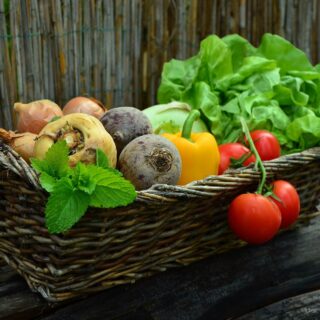
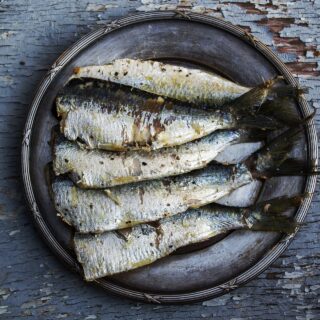
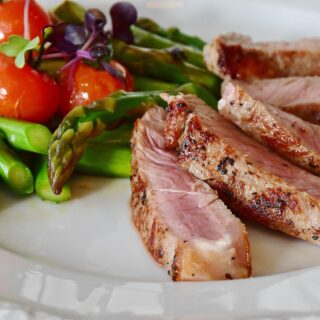
За да се предотврати пролетната авитаминоза или успешно да се борим с нея, преди всичко, трябва да балансираме дневния си порцион, така че организма ни да получи необходимото количество белтъци, мазнини и въглехидрати. Това означава, че нашия организъм е длъжен да получи достатъчно количество продукти, съдържащи витамини и аминокиселини, които лесно се усвояват. Това са пресни и замразени плодове и зеленчуци, зеленина, месо, птици и риба.
През пролетта при ниско съдържание в храната на растителни и преобладаването на продукти от животински произход в организма настъпва промяна на киселинно-алкалния баланс в посока на повишаване. Това се дължи на факта, че месните продукти в процеса на обмяната образуват много вещества с киселинен характер. Именно повишаването на киселинността в кръвта води до развитието на пролетна умора. Антиоксидантите, етеричните масла, органичните киселини, които оказват голямо влияние върху функциите на нервната и ендокринната система, мускулите и различните вътрешни органи, се съдържат в изобилие в зеленината и зеленчуците. Но в началото пресните зеленчуци, зеленина и плодове са доста скъпи и не всеки може да си ги позволи.
Използвайте за готвене замразени зеленчуци. По своите качества те почти не отстъпват на пресните, ако разбира се, не са били подложени на размразяване и допълнително замразяване и се съхраняват по правилата. За по-добро съхранение на витамините и другите полезни вещества топлата обработка трябва да се извършва при ниска температура и колкото може за по-кратко време, а месните продукти е желателно да се пекат във фолио. Препоръчваме и продукта Clean Forte като хранителна добавка.
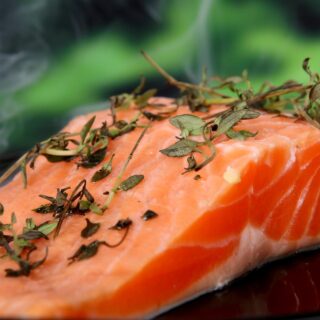
През пролетта и рания летен период са полезни също и киселото зеле, киселите краставички и домати. Балансираното хранене предполага конкретен хранителен режим, т.е. всеки трябва да определи какъв режим (три пъти или четири пъти) му е подходящ и да се придържа строго към него. За да се противопоставим на пролетната авитаминоза, нека да се въоръжим с още малко знания и да изясним конкретно, къде да търсим тези или други витамини. Витамин А се съдържа в моркови, цвекло, домати, червени чушки, кайсии. Витамин В1 се съдържа в ядки, бобови растения, свинско, говеждо месо, ориз, елда. Витамин В2 се съдържа в пресни зеленчуци, яйца, мляко, риба, месо. Витамин C се съдържа в цитрусови плодове, зеле, боб, ябълки, ягоди. Витамин D се съдържа в млечните продукти, червена риба, черен дроб. Витамин Е се съдържа в растително масло, зеленина.
Въпреки това само с храната ние не можем да получим необходимата дневна норма, всички имаме нужда от витамини и микроелементи. Дори и при най-разнообразния хранителен режим по време на пролетната авитаминоза ще бъдат полезни комплекс от витамини. Те са нужни не толкова за лечение на авитаминозата, но и за нейната профилактика. Голямо значение за профилактиката на пролетната авитаминоза имат слънчевите лъчи и свежия въздух.
Така, че се опитайте да вървите повече. Не бързайте да използвате обществения транспорт, а по-добре повървете две или три спирки пеша. Полезна е и една разходка преди лягане. Не забравяйте и за някои физически упражнения, особено ако работата ви не е свързана с тях. Намерете време и сили за сутришна гимнастика и посещения на фитнес зала. Тогава вместо пролетна умора, раздразнителност и депресия ще можете да победите пролетната авитаминоза. Бъдете здрави!